
Finding the right doctor for high blood pressure in Hockley can help you understand your blood pressure readings, identify risk factors, and create a treatment plan that fits your health needs. High blood pressure, also called hypertension, often has no noticeable symptoms, so regular blood pressure checks are important for detecting and managing it.
A primary care physician can evaluate your blood pressure, review your medical history, recommend lifestyle changes, and prescribe medication when appropriate. Whether you have recently received a high reading or are already managing hypertension and high blood pressure, understanding your numbers and receiving regular medical care can help protect your heart and overall health.
Who Should You See for High Blood Pressure?
For most people, a primary care physician is a good starting point for evaluating and managing high blood pressure disease. A primary care doctor for high blood pressure can monitor your bp over time, assess risk factors, review medications, and recommend appropriate treatment.
You may search for a specialist doctor for high BP or a physician for high blood pressure when you need ongoing hypertension management. In some cases, your primary care provider may also recommend seeing a cardiologist if there are concerns about heart disease, cardiovascular complications, or other conditions requiring specialized care.
Your doctor can help determine whether your blood pressure needs lifestyle changes, medication, additional testing, or specialist evaluation.
What Blood Pressure Numbers Mean
Blood pressure is recorded using two numbers. The systolic number is the top number and measures pressure in your arteries when your heart beats. The diastolic number is the bottom number and measures pressure while your heart rests between beats.
According to the American Heart Association, adult blood pressure categories include:
- Normal blood pressure: Less than 120/80 mm Hg
- Elevated: Systolic 120–129 mm Hg and diastolic less than 80 mm Hg
- Stage 1 hypertension: Systolic 130–139 mm Hg or diastolic 80–89 mm Hg
- Stage 2 hypertension: Systolic 140 mm Hg or higher or diastolic 90 mm Hg or higher
- Severe hypertension: Higher than 180/120 mm Hg
A single reading does not necessarily establish a diagnosis. Your doctor for high blood pressure can evaluate multiple readings and your overall health before confirming hypertension and deciding whether treatment is needed.
Symptoms of High Blood Pressure
High blood pressure is sometimes difficult to recognize because most people do not experience noticeable BP symptoms. The only reliable way to know whether your blood pressure is elevated is to have it measured using a blood pressure monitor or blood pressure tester.
Some people may experience symptoms when blood pressure becomes severely elevated, but these symptoms should not be used as the primary way to detect hypertension. Regular monitoring by doctor for high blood pressure is especially important if you have risk factors for high bp.
If you are concerned about your BP pressure, keeping a record of your readings can help your healthcare provider understand your blood pressure patterns.
When Is High Blood Pressure an Emergency?
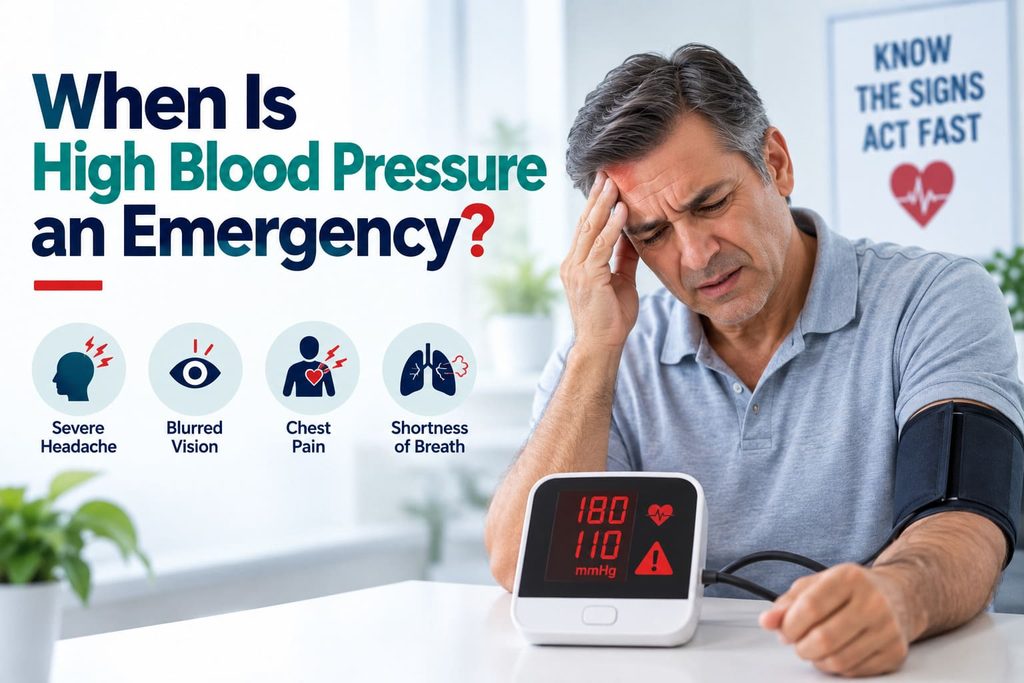
A blood pressure reading above 180/120 mm Hg is considered severely high. If you get a reading in this range, wait at least one minute and take it again. If it remains that high, contact a healthcare professional promptly.
If your blood pressure is above 180/120 mm Hg and you also experience symptoms such as chest pain, shortness of breath, back pain, numbness, weakness, vision changes, or difficulty speaking, call 911. These symptoms can indicate a hypertensive emergency and require immediate medical attention.
Do not wait for severe symptoms to develop if your blood pressure is repeatedly very high. Prompt doctor for high blood pressure who can help determine the appropriate next steps.
How Doctors Diagnose Hypertension
Diagnosing hypertension high blood pressure involves more than looking at one isolated reading. Your healthcare provider may take multiple blood pressure measurements and consider your medical history, medications, lifestyle, and other health conditions.
During an evaluation, your doctor may:
- Measure your blood pressure using an appropriate blood pressure cuff.
- Review previous blood pressure readings and home monitoring records.
- Ask about your diet, physical activity, stress, sleep, and other lifestyle factors.
- Review medications and supplements that may affect blood pressure.
- Assess your personal and family history of heart disease or hypertension.
- Recommend blood or urine tests when appropriate.
- Evaluate other health conditions that may affect cardiovascular health.
Home monitoring can provide useful information about your blood pressure over time. A doctor for high blood pressure can help you understand your home readings, identify patterns, and determine whether further evaluation or treatment may be needed.
Treatment for High Blood Pressure
Treatment for hypertension depends on your blood pressure levels, overall health, cardiovascular risk, and other medical conditions. Your doctor for high blood pressure Treatment may recommend lifestyle changes, medication, or a combination of both.
A treatment plan may include:
- Healthy eating: A heart healthy diet that includes vegetables, fruits, whole grains, and other nutritious foods can support healthy blood pressure.
- Regular physical activity: Staying physically active can help support cardiovascular health and healthy blood pressure levels.
- Weight management: Maintaining a healthy weight can reduce stress on the cardiovascular system.
- Limiting sodium: Reducing excessive sodium intake can be part of a blood pressure management plan.
- Avoiding tobacco: Smoking can damage blood vessels and increase cardiovascular risk.
- Prescription medication: Some people need blood pressure medication in addition to lifestyle changes. Your healthcare provider determines whether medication is appropriate based on your readings and health history.
- Regular monitoring: Tracking your readings with a reliable blood pressure tester can help your healthcare team monitor your progress.
If you are looking for a doctor prescription for high BP, do not start, stop, or change blood pressure medication without speaking with your healthcare provider.
About Primary Care of Southern Texas
Primary Care of Southern Texas provides primary care services for patients in Cypress and surrounding communities, including Hockley. The practice focuses on preventive care, chronic disease management, wellness, acute care, and personalized healthcare.
Dr. Mohit Gupta doctor for high blood pressure, is a board-certified internal medicine physician who provides personalized care for patients in Cypress and Hockley. Primary care can provide ongoing evaluation and management for conditions such as hypertension, while helping patients understand their health needs and treatment options.
Lifestyle Changes to Help Manage Blood Pressure
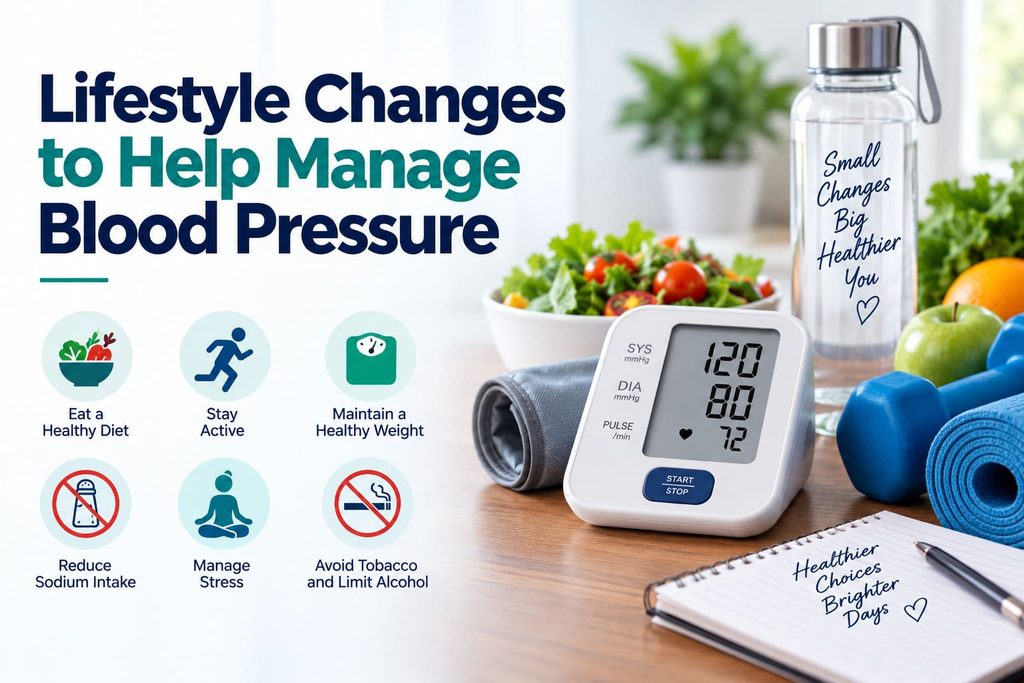
Lifestyle habits can play an important role in managing high blood pressure disease. Along with medical treatment when needed, healthy daily habits can support better blood pressure control and overall cardiovascular health.
A heart healthy diet can include plenty of vegetables and fruits, whole grains, lean protein sources, and other nutrient-rich foods. Limiting excessive sodium and choosing balanced meals can also support healthier blood pressure levels.
Other helpful habits may include maintaining a healthy weight, avoiding smoking, managing stress, getting adequate sleep, and taking prescribed medications as directed. Your doctor for high blood pressure can help you develop realistic lifestyle goals based on your individual health needs.
Why Choose Primary Care for High Blood Pressure in Hockley, TX?
Primary Care of Southern Texas focuses on personalized care to help patients understand and manage ongoing health conditions such as hypertension. A primary care doctor for high blood pressure can monitor your blood pressure over time and consider how your lifestyle, medications, and other health conditions may affect your readings.
When you visit a doctor for high blood pressure in Hockley, your care may include:
- Blood pressure monitoring: Your readings can be checked and tracked to identify patterns over time.
- Personalized evaluation: Your provider can review your health history, medications, lifestyle, and cardiovascular risk factors.
- Lifestyle guidance: You can receive practical recommendations related to diet, physical activity, weight management, and other healthy habits.
- Medication management: When medication is appropriate, your provider can prescribe and monitor treatment based on your individual needs.
- Ongoing care: Regular follow-up can help your healthcare team monitor your response to treatment and make adjustments when appropriate.
- Referral when needed: If your condition requires specialized evaluation, your primary care provider can help determine whether a cardiologist or another specialist may be appropriate.
The goal is to provide patient-centered care while helping you understand your blood pressure and the steps you can take to manage it. A doctor for high blood pressure can monitor your progress and recommend appropriate changes to your care plan.
Get Expert High Blood Pressure Care in Hockley, TX
If you are looking for a doctor for high blood pressure in Hockley, Primary Care of Southern Texas can help you evaluate your blood pressure and discuss appropriate management options. Whether you have recently noticed elevated readings or need ongoing hypertension care, a medical evaluation can help you understand your numbers and next steps.
Contact Primary Care of Southern Texas to schedule an appointment:
Primary Care of Southern Texas
Cypress Medical Plaza, 27160 US-290 Suite #207
Cypress, TX 77433
Phone: (713) 673-8774
Email: backoffice@stxprimarycare.com
Conclusion
High blood pressure, or hypertension, can often develop without noticeable symptoms, making regular blood pressure checks important. Understanding your numbers, following a heart healthy diet, staying physically active, and working with a healthcare provider can support long-term blood pressure management.
If you have consistently high readings or concerns about your blood pressure, consider speaking with a doctor for high blood pressure in Hockley. A primary care provider can evaluate your health, discuss treatment options, monitor your progress, and recommend specialist care when appropriate.
FAQs – Best Doctor for High Blood Pressure in Hockley
Q1. What type of doctor is best for high blood pressure?
Ans. A primary care physician is often the first doctor to evaluate and manage high blood pressure. Depending on your condition and cardiovascular risk, your primary care provider may recommend evaluation by a cardiologist or another specialist.
Q2. Does 140-90 BP need medication?
Ans. A reading of 140/90 mm Hg falls within the Stage 2 hypertension range under current American Heart Association categories. However, whether you need medication depends on your overall health, repeated blood pressure readings, cardiovascular risk, and other medical conditions.
Q3. What BP level is stroke level?
Ans. A blood pressure reading above 180/120 mm Hg is considered severely high. If it is above this level and you have symptoms such as weakness, numbness, difficulty speaking, vision changes, chest pain, or shortness of breath.
Q4. Can stress cause high blood pressure?
Ans. Stress can temporarily raise blood pressure, and ongoing stress may make healthy habits more difficult to maintain. However, stress is only one potential factor affecting blood pressure. If your readings remain high, speak with a healthcare professional for proper evaluation.
Q5. Does walking lower blood pressure?
Ans. Regular physical activity, including walking, can support healthy blood pressure and cardiovascular health. The CDC recommends regular physical activity as part of healthy blood pressure management. If you have a medical condition or have been inactive, ask your healthcare provider about an activity plan.