
# Effective Hypertension Management Through Primary Care
Hypertension, also known as high blood pressure, is a common condition that, if left untreated, can lead to serious cardiovascular issues. Primary care plays a crucial role in managing hypertension and improving heart health. This article will explore how primary care can effectively manage high blood pressure, focusing on prevention, treatment, and long-term health benefits.
Table of Contents
ToggleUnderstanding Hypertension
Before diving into management strategies, it’s essential to understand what hypertension is. High blood pressure occurs when the force of blood against your artery walls is too high. Over time, this can damage your heart and lead to diseases. It’s often called the “silent killer” because it typically has no symptoms but can cause significant health problems if not managed properly.
The Importance of Cardiovascular Health
Cardiovascular health refers to the health of your heart and blood vessels. Maintaining good cardiovascular health is crucial because it reduces the risk of heart disease, stroke, and other related issues. Hypertension is a significant risk factor for these conditions, which is why managing it is so important.
Role of Primary Care in Hypertension Management
Primary care is often the first point of contact for individuals seeking medical advice and treatment. It provides comprehensive and continuous care, which is essential in managing chronic conditions like hypertension.
Early Detection and Diagnosis
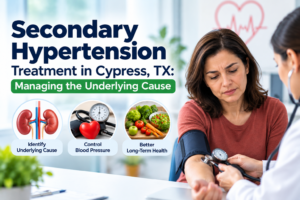
Primary care providers (PCPs) are skilled in detecting high blood pressure early. Regular check-ups allow for monitoring blood pressure levels, identifying potential risks, and diagnosing hypertension before it leads to severe complications. Early detection through primary care can make a significant difference in outcomes.
Personalized Treatment Plans
Once diagnosed, PCPs work with patients to develop personalized treatment plans. These plans typically include lifestyle changes, medications, and regular monitoring. By tailoring the approach to each individual, primary care ensures that the management of hypertension is both effective and sustainable.
Lifestyle Modifications
Lifestyle changes are a cornerstone of hypertension management. Primary care providers offer guidance on diet, exercise, and other habits that can help lower blood pressure. For example, reducing salt intake, maintaining a healthy weight, and engaging in regular physical activity are all effective strategies.
Medication Management
In some cases, lifestyle changes alone are not enough, and medication becomes necessary. Primary care providers prescribe and manage these medications, ensuring that they are effective and adjusting them as needed. This ongoing relationship between patient and provider is crucial for successful management.
Disease Prevention Through Primary Care
One of the key roles of primary care is disease prevention. By effective hypertension management, primary care can prevent more severe cardiovascular diseases from developing.
Regular Monitoring and Follow-Up
Regular follow-ups and monitoring allow primary care providers to keep track of a patient’s progress. This helps ensure that treatment plans are working and allows for adjustments if necessary. Continuous care through primary care is vital for preventing complications related to high blood pressure.
Education and Support
Primary care providers also educate patients about hypertension management and its risks. Understanding the condition helps patients take an active role in their management, leading to better outcomes. Support from primary care can also involve connecting patients with resources like nutritionists or support groups.
Long-Term Benefits of Primary Care in Hypertension Management
The long-term benefits of hypertension management through primary care are significant. Effective management can lead to improved quality of life, reduced risk of heart disease and stroke, and overall better health outcomes.
Improved Quality of Life
By keeping blood pressure in check, patients often experience fewer symptoms and complications. This leads to a higher quality of life and the ability to engage in daily activities without the limitations that uncontrolled hypertension might impose.
Reduced Risk of Cardiovascular Disease
Effective hypertension management through primary care significantly reduces the risk of developing cardiovascular diseases. This is crucial because heart disease and stroke are leading causes of death worldwide.
Cost-Effectiveness
Hypertension management through primary care is also cost-effective. Preventing complications reduces the need for more intensive treatments and hospitalizations, saving both patients and healthcare systems money.
Visit or Contact Us
Have questions or ready to schedule your appointment? Our Cypress clinic is here to help.
Primary Care of Southern Texas
Address: Cypress Medical Plaza, 27160 US-290 Suite #207, Cypress, TX 77433
Phone: (713) 673-8774
Email: backoffice@stxprimarycare.com
Website: https://stxprimarycare.com/
Conclusion
Hypertension is a manageable condition, especially with the support of primary care. Through early detection, personalized treatment plans, lifestyle modifications, and regular monitoring, primary care plays a vital role in maintaining cardiovascular health and preventing disease. By working closely with a primary care provider, patients can effectively manage their blood pressure and enjoy long-term health benefits.
In conclusion, primary care is not just about treating illnesses; it’s about preventing them and promoting overall well-being. For anyone dealing with hypertension, engaging with primary care could be the key to a healthier, longer life.