
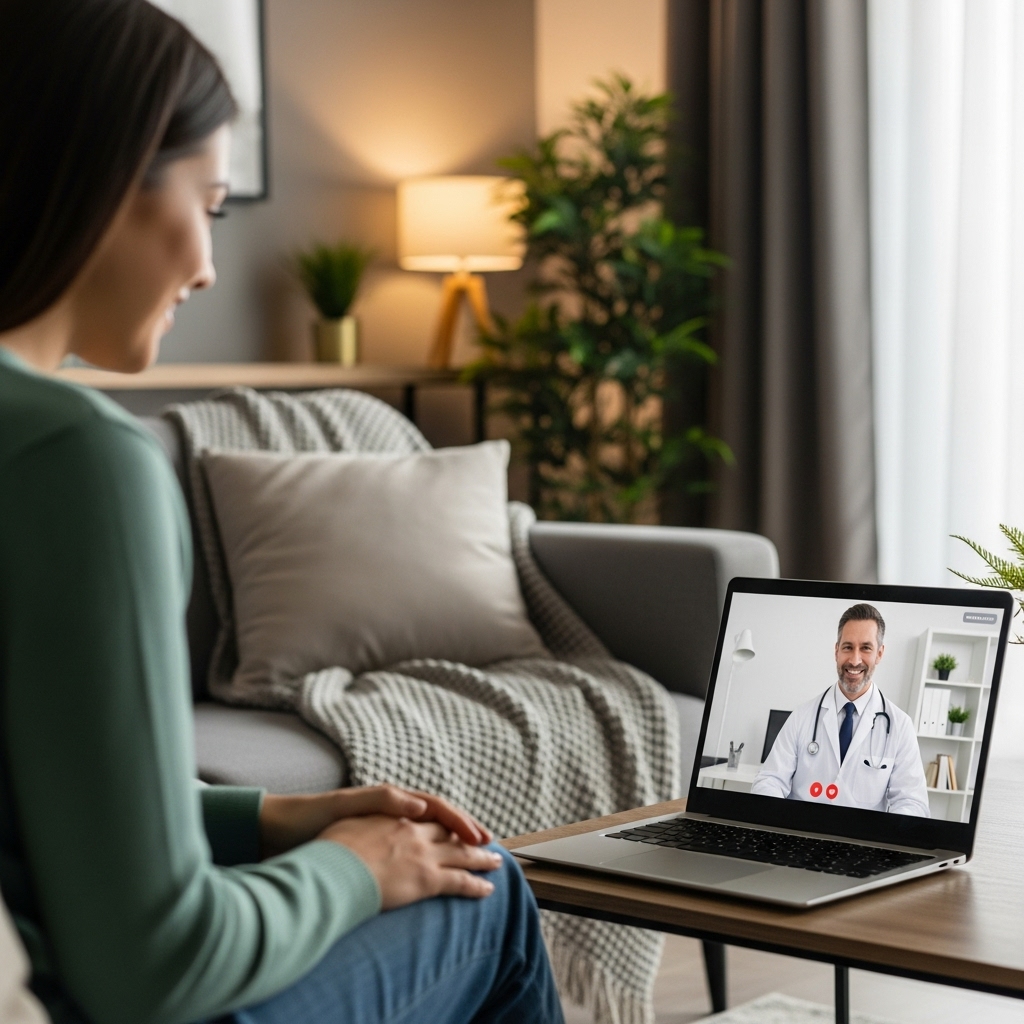
In today’s rapidly evolving digital landscape, telemedicine is transforming the way we receive primary care. As we continue to adapt to new technologies, the integration of this technology into our healthcare system is becoming increasingly essential. Telemedicine, or digital health, provides quick and secure access to medical professionals, ensuring that patients receive the care they need without the constraints of traditional in-person visits.
Telemedicine refers to the use of digital communication technologies to provide clinical health care remotely. This innovative approach allows patients to consult with healthcare providers via video calls, phone calls, or online messaging platforms. As a result, telemedicine bridges the gap between patients and healthcare providers, offering a convenient alternative to traditional face-to-face consultations.
The Rise of Telehealth Services
Telehealth services have gained popularity due to their convenience and accessibility. With the advent of smartphones and high-speed internet, patients can now access a wide range of medical services from the comfort of their homes. This advancement in medical technology is particularly beneficial for individuals with mobility issues, those living in rural areas, or anyone with a busy schedule.
Benefits of Telemedicine in Primary Care
Telemedicine offers numerous advantages for both patients and healthcare providers. Here are some key benefits:
Convenience and Accessibility
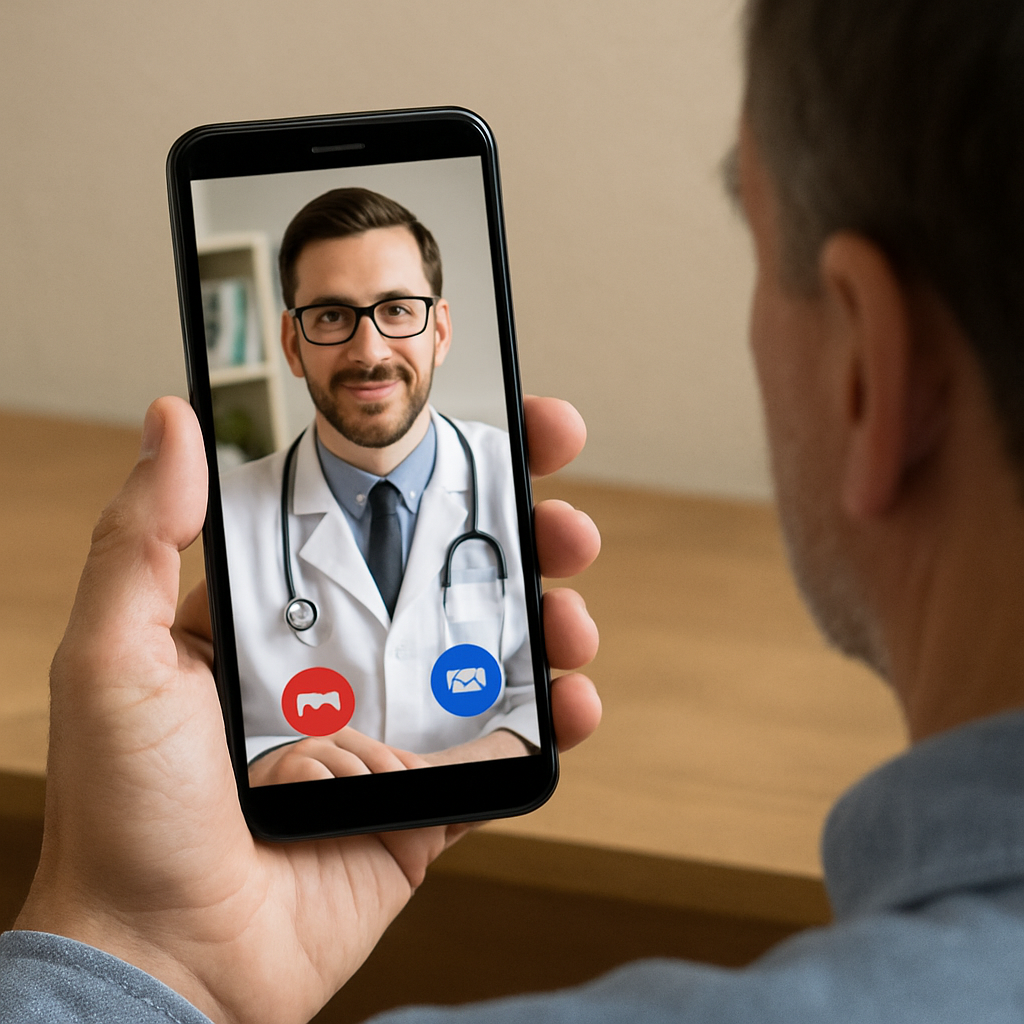
One of the primary advantages of telemedicine is its convenience. Patients no longer need to travel to a doctor’s office or wait in a crowded waiting room. Instead, they can connect with their healthcare provider from anywhere, at any time. This flexibility is especially helpful for managing chronic conditions that require regular check-ups.
Reduced Healthcare Costs
This technology can significantly reduce healthcare costs for both patients and providers. By eliminating the need for physical visits, patients save money on transportation and other associated expenses. Additionally, healthcare facilities can reduce overhead costs, leading to more efficient operations.
Improved Patient Engagement
Telemedicine encourages active patient participation in their healthcare. With remote access to medical professionals, patients can easily ask questions, share concerns, and receive timely feedback. This increased engagement can lead to better health outcomes and a stronger patient-provider relationship.
Enhanced Privacy and Security
Online doctor consultations are designed with security in mind. Telemedicine platforms use advanced encryption technologies to protect patient information and maintain confidentiality. This ensures that sensitive medical data remains secure during virtual consultations.
Challenges and Considerations
While telemedicine offers many benefits, it is not without challenges. It is important to address these issues to ensure the successful implementation of telehealth services.
Technology Limitations
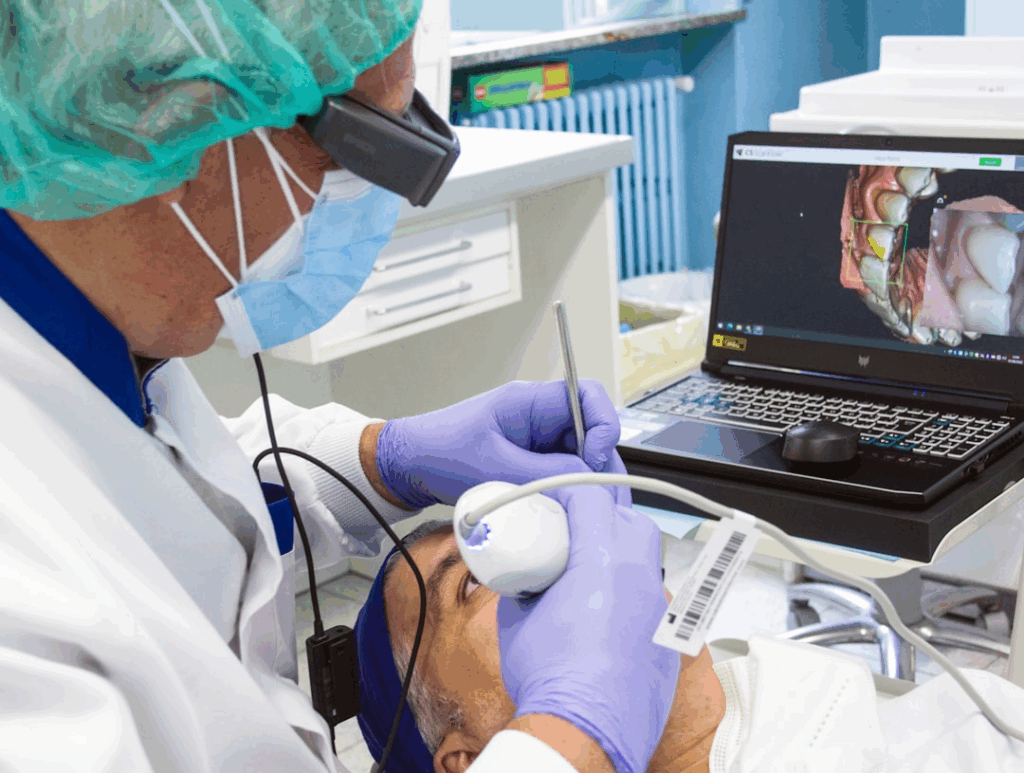
Access to reliable internet and digital devices can be a barrier for some patients, particularly those in low-income or rural areas. Ensuring that telemedicine services are accessible to all requires investment in infrastructure and technology.
Regulatory and Legal Issues
Telemedicine is subject to various regulatory and legal considerations, such as licensing requirements and reimbursement policies. Navigating these complexities can be challenging for healthcare providers looking to implement telehealth services.
Maintaining Quality of Care
While this technology can provide quick access to healthcare, it is essential to ensure that the quality of care remains high. Providers must be adequately trained to deliver virtual consultations and use digital health tools effectively.
The Future of Telemedicine in Primary Care
Telemedicine is poised to play a significant role in the future of primary care. As technology continues to advance, the potential for telehealth services to improve healthcare delivery becomes increasingly apparent.
Expanding Services and Capabilities
The capabilities of this technology are continually expanding. From mental health support to chronic disease management, telehealth services can cater to a wide range of medical needs. As digital health technologies evolve, we can expect even more comprehensive and specialized services.
Integration with Traditional Healthcare
Telemedicine is not meant to replace traditional in-person care but to complement it. By integrating telehealth services with conventional healthcare systems, we can create a more cohesive and efficient healthcare experience for patients. This hybrid approach allows providers to offer personalized care that meets the diverse needs of their patients.
Embracing Innovation
The future of telemedicine lies in embracing innovation. As new technologies emerge, healthcare providers must remain open to adopting digital health solutions that enhance patient care. By staying at the forefront of medical technology, providers can ensure that their patients receive the best possible care.
Visit or Contact Us
Have questions or ready to schedule your appointment? Our Cypress clinic is here to help.
Primary Care of Southern Texas
Address: Cypress Medical Plaza, 27160 US-290 Suite #207, Cypress, TX 77433
Phone: (713) 673-8774
Email: backoffice@stxprimarycare.com
Website: https://stxprimarycare.com/
Conclusion
Telemedicine is revolutionizing primary care by providing quick, secure, and convenient access to healthcare providers. As we continue to embrace digital health, it is essential to address the challenges and considerations that come with it. By doing so, we can ensure that telemedicine becomes an integral part of our healthcare system, benefiting both patients and providers. As the landscape of medical technology evolves, this technology will undoubtedly play a crucial role in shaping the future of healthcare.
Incorporating telemedicine into primary care offers a promising path towards more accessible, efficient, and patient-centered healthcare. By leveraging the power of virtual consultations and remote access, we can create a healthcare system that meets the needs of a diverse population, paving the way for a healthier future.