

Are you searching for Expert Guidance on Blood in Stool from a Doctor in Cypress, TX?Seeing blood during a bowel movement can be alarming. Many people immediately worry about serious conditions such as colon cancer, while others ignore the symptom and hope it goes away on its own. The truth is that blood in stool can result from several causes, ranging from hemorrhoids and anal fissures to digestive disorders and gastrointestinal bleeding.
Understanding the cause is the first step toward protecting your health. Early evaluation can help identify underlying conditions before they become more serious. Whether you notice bright red blood, dark-colored stool or experience other digestive symptoms, seeking medical attention is important.In this guide, Dr. Mohit Gupta and the team at Primary Care of Southern Texas provide expert insights into the causes, symptoms, diagnosis and treatment options for blood in stool. You’ll also learn when to worry about blood in stool and when to seek immediate medical care.
Common Causes of Blood in Stool
Several conditions may cause blood in stool, including:
- Hemorrhoids
- Anal fissures
- Diverticulosis
- Inflammatory bowel disease (IBD)
- Colon polyps
- Colorectal cancer
- Infections affecting the digestive tract
Blood in Stool Symptoms
In addition to visible blood, patients may experience:
- Abdominal discomfort
- Changes in bowel habits
- Diarrhea
- Constipation
- Fatigue
- Unexplained weight loss
- Nausea
When to See a Doctor for Blood in Stool
Many patients ask, when to worry about blood in stool. While occasional bleeding may be caused by minor conditions, persistent or recurrent bleeding should never be ignored.
Seek Medical Attention If You Experience:
- Repeated episodes of blood in stool
- Large amounts of blood
- Black or tarry stools
- Severe abdominal pain
- Dizziness or fainting
- Unexplained weight loss
- Changes in bowel habits lasting several weeks
Prompt evaluation helps identify the cause and determine whether treatment is needed.
Why Early Evaluation Matters
Early diagnosis can help detect conditions such as:
- Digestive tract infections
- Inflammatory bowel disease
- Colon polyps
- Colorectal cancer
If you are searching for a gastroenterologist near me or digestive health care near me, your primary care physician can evaluate your symptoms and coordinate specialist care when necessary.
Diagnostic Tests and Treatment Options for Blood in Stool
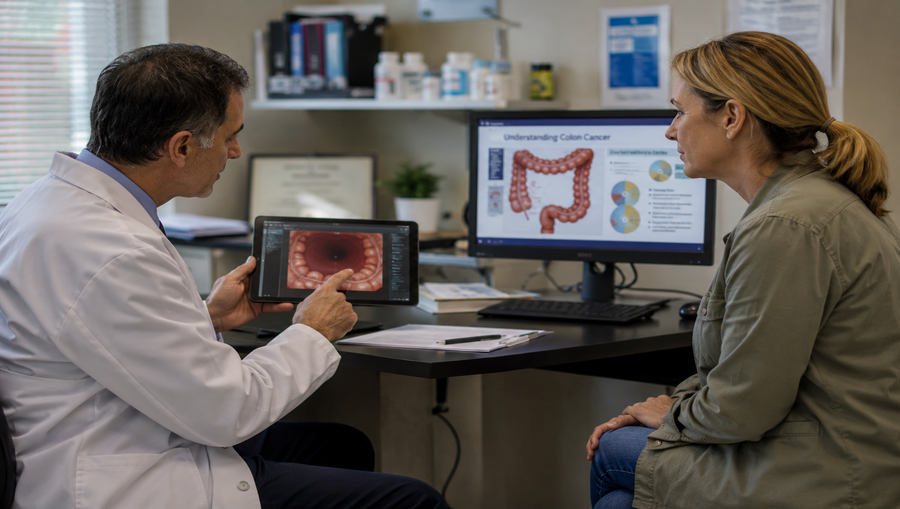
If you are experiencing symptoms such as rectal bleeding or changes in bowel habits, seeking digestive health care and a timely GI consultation can help identify the cause and prevent potential complications.
Medical Evaluation
Your doctor may review your symptoms, medical history, family history, medications and recent dietary changes.
Physical Examination
A physical examination may include a rectal exam using specialized rectal examination tools to assess for hemorrhoids, fissures or other abnormalities.
Diagnostic Tests
Depending on your symptoms, your doctor may recommend:
Stool Tests
These tests check for hidden blood, infections and digestive disorders.
Blood Tests
Blood tests help detect anemia and signs of infection or inflammation.
Colonoscopy
A colonoscopy allows doctors to examine the colon and identify sources of gastrointestinal bleeding.
Imaging Studies
Advanced imaging may be used when additional evaluation is necessary.
Treatment Options
Treatment options may include dietary changes, fiber supplements, medications, hemorrhoid care, polyp removal and specialist referral as needed.
Early diagnosis and appropriate treatment through primary care services and specialized gastrointestinal care can help protect your long-term digestive health and improve overall well-being.
About Primary Care of Southern Texas
Primary Care of Southern Texas is dedicated to providing personalized, patient-focused healthcare for individuals and families in Cypress and surrounding communities. The practice offers a full range of medical services, including preventive care, chronic disease management, acute illness treatment and wellness support to help patients maintain their overall health. Whether you are searching for digestive health care near me or need guidance for ongoing health concerns, the team is committed to delivering quality care tailored to your needs.
Under the leadership of Dr. Mohit Gupta, a board-certified Internal Medicine Physician with more than 15 years of experience, the clinic provides compassionate and comprehensive healthcare for patients of all ages. From evaluating blood in stool symptoms to helping patients understand the doctor consultation meaning and next steps in treatment, Dr. Gupta and his team focus on creating personalized care plans that support long-term health and well-being.
Dedicated Primary Care Services for Families in Cypress, TX

At Primary Care of Southern Texas, we are committed to providing comprehensive healthcare solutions that support the long-term well-being of individuals and families in Cypress, TX. Whether you are looking for digestive health care near me or need guidance on blood in stool symptoms, our experienced team delivers personalized care focused on prevention, early diagnosis and effective treatment.
Preventive Care Services
Preventive healthcare includes:
- Annual wellness exams
- Routine physicals
- Health screenings
- Vaccinations
- Risk assessments
Chronic Disease Management
The clinic provides ongoing care for conditions such as:
- Diabetes
- Hypertension
- High cholesterol
- Heart disease
- Thyroid disorders
Acute Care Services
Patients can receive treatment for:
- Minor illnesses
- Infections
- Digestive concerns
- Respiratory conditions
- Seasonal illnesses
From preventive screenings to chronic disease management and acute care services, our team is dedicated to helping patients achieve better health outcomes. Whether you need routine medical care, have questions about when to worry about blood in stool or requireGuidance on Blood in Stool , Primary Care of Southern Texas is here to provide compassionate, patient-centered healthcare every step of the way.
Why Choose Primary Care of Southern Texas in Cypress, TX for Your Healthcare Needs?
If you are looking for primary care doctors near me or reliable healthcare services in Cypress, TX, Primary Care of Southern Texas offers trusted, patient-focused medical care led by experienced professionals.
Experienced Medical Leadership
Dr. Mohit Gupta brings years of expertise in patient care and medical education, ensuring patients receive evidence-based treatment and guidance.
Personalized Care
Every patient receives individualized attention and treatment plans tailored to their unique needs.
Comprehensive Healthcare Services
The clinic offers preventive care, chronic disease management, acute illness treatment, health screenings and diagnostic evaluations.
Serving the Local Community
Primary Care of Southern Texas proudly provides quality healthcare services to patients throughout Cypress, Hockley, Waller, Tomball, Magnolia and Katy.
Patient-First Approach
The team focuses on compassionate care, clear communication, long-term health management and building trusted patient relationships.
Whether you are searching for family doctor in Cypress TX, preventive healthcare services or long-term primary care management, our clinic is committed to supporting your health and well-being at every stage of life.
Schedule Your Visit at Primary Care of Southern Texas
Looking for trusted preventive care services and expert chronic disease management in Cypress, TX? Schedule your visit today with Primary Care of Southern Texas for personalized healthcare.
Primary Care of Southern Texas
Address: Cypress Medical Plaza, 27160 US-290 Suite #207 Cypress, TX 77433
Phone: (713) 673-8774,(855) 576-4146
Email: backoffice@stxprimarycare.com
Conclusion
Guidance on Blood in Stool should never be ignored, even if it occurs only once. While it is often caused by common conditions such as hemorrhoids or anal fissures, ongoing or recurrent bleeding may be a sign of a more serious digestive issue that requires professional medical evaluation. Recognizing the potential causes and understanding blood in stool symptoms can help you take the right steps toward protecting your health, especially when you are unsure when to worry about blood in stool.
Understanding the causes, warning signs, and treatment options for blood in stool is essential for early diagnosis and effective care. At Primary Care of Southern Texas, Dr. Mohit Gupta and his experienced team provide compassionate, personalized healthcare for patients in Cypress and surrounding communities. Whether you are searching for digestive health care near me or need clarity on gastrointestinal bleeding meaning, scheduling a proper consultation can help ensure timely evaluation and treatment for your condition.
FAQs – Expert Guidance on Blood in Stool from a Doctor in Cypress, TX
Q1 What will a doctor do for Guidance on blood in stool?
Ans. A doctor will review your medical history, discuss your symptoms, perform a physical examination and may recommend tests such as blood work, stool testing or a colonoscopy to determine the cause of the bleeding.
Q2 How long after blood in stool should I see a doctor?
Ans. You should contact a healthcare provider as soon as possible, especially if the bleeding continues, recurs or is accompanied by pain, weakness, dizziness or changes in bowel habits.
Q3 Can GERD cause blood in your stool?
Ans. GERD typically does not directly cause blood in stool. However, complications involving the upper digestive tract may sometimes lead to bleeding and should be evaluated by a healthcare professional.
Q4 What does blood in your stool mean for a woman?
Ans. Blood in stool can have the same causes in women as in men, including hemorrhoids, anal fissures, digestive disorders, colon polyps or gastrointestinal bleeding. A medical evaluation is recommended to identify the exact cause.
Q5 Is blood in stool always a sign of cancer?
Ans. No. Most cases of blood in stool are caused by non-cancerous conditions such as hemorrhoids or anal fissures. However, persistent or unexplained bleeding should always be evaluated by a healthcare provider.