Are you experiencing Sighing Dyspnea and wondering why you frequently sigh or feel unable to take a satisfying deep breath? While occasional sighing is normal, frequent sighing with breathing discomfort may have different causes, including changes in breathing patterns, stress and anxiety, or respiratory conditions.
In this guide, we’ll explore common Sighing Dyspnea causes, symptoms to watch for, how it is evaluated, and available Sighing Dyspnea treatment options. You’ll also learn about helpful breathing techniques and when to consult a primary care provider.
What Is Sighing Dyspnea?
Sighing Dyspnea is a type of breathing discomfort that may make you feel the need to take repeated deep breaths or sigh frequently to feel comfortable. Occasional sighing is normal, but frequent sighing with difficulty breathing, chest discomfort, or persistent breathlessness may require medical evaluation.
Symptoms can occur during stressful situations, physical activity, or even at rest. Since Sighing Dyspnea can have different causes, it should not always be assumed to be related to anxiety. A primary care provider can review your symptoms and medical history to identify possible causes.
What Causes Sighing Dyspnea?
There are several possible Sighing Dyspnea causes. In some people, symptoms may be related to stress or changes in breathing patterns. In others, an underlying respiratory or health condition may contribute to the sensation of breathlessness.
1.Stress and Anxiety
Stress and anxiety are common factors that can affect breathing patterns. During periods of psychological stress, some people may begin breathing faster, taking deeper breaths, or sighing more frequently.
This change in breathing can sometimes create a cycle in which the person becomes more aware of their breathing and feels the need to take another deep breath.
2.Changes in Breathing Patterns
Certain breathing patterns can contribute to the sensation of not getting a satisfying breath. Frequent deep breaths or sighing may temporarily change the balance of gases in the body and make a person feel that they need to breathe more deeply.
Learning appropriate Sighing Dyspnea breathing techniques may help some people regain a more comfortable and controlled breathing pattern.
3.Respiratory Conditions
Some respiratory conditions can cause dyspnea symptoms, including shortness of breath, chest tightness, coughing, or breathing discomfort. Conditions affecting the lungs or respiratory airways may need to be considered when symptoms are persistent or occur with physical activity.
If you regularly feel short of breath when walking, climbing stairs, or performing everyday activities, a healthcare provider can help determine whether an underlying respiratory issue may be contributing to your symptoms.
4.Other Possible Health Conditions
Breathing difficulty can sometimes occur alongside other health concerns. Shortness of breath may vary depending on a person’s age, medical history, medications, lifestyle, and overall health.
For this reason, persistent Sighing Dyspnea should be evaluated rather than self-diagnosed. A primary care provider can determine whether further testing or treatment is appropriate.
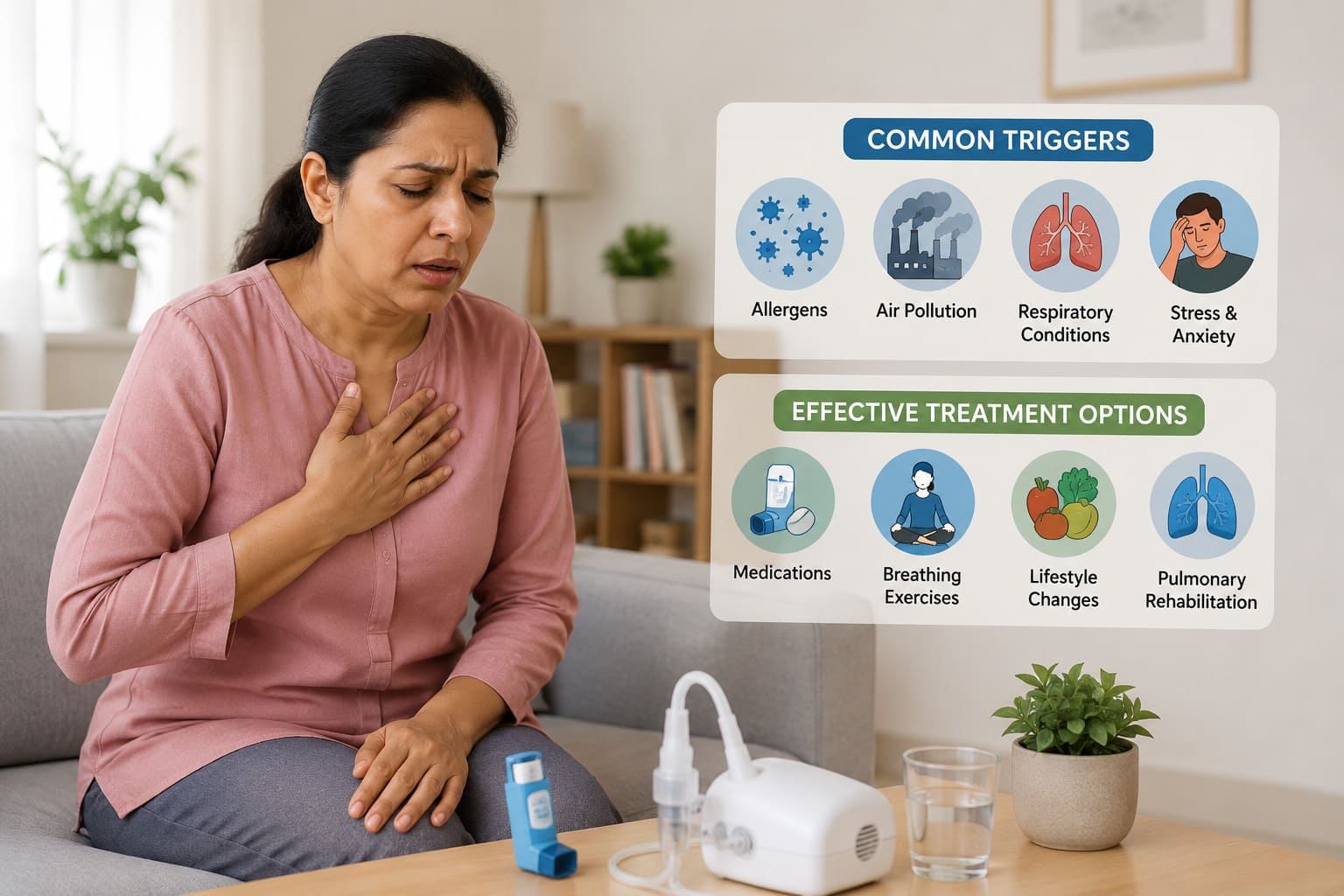
Common Triggers of Sighing Dyspnea

Identifying what triggers your Sighing Dyspnea can help you and your healthcare provider better understand your symptoms. Triggers may be different for each person and can include emotional stress, physical activity, environmental factors, or changes in breathing patterns.
1.Psychological Stress
Periods of psychological stress may cause changes in normal breathing. You may notice more frequent sighing during stressful workdays, difficult situations, or periods of emotional tension.
2.Physical Activity
Some people experience breathing discomfort during exercise or routine activities. If you regularly become short of breath when walking, especially when the symptom is new or worsening, it is important to discuss it with a healthcare provider.
3.Environmental Triggers
Smoke, dust, strong odors, allergens, and poor air quality can sometimes contribute to breathing discomfort, particularly in people who have sensitive airways or an existing respiratory condition.
4.Anxiety and Emotional Changes
Anxiety can affect both breathing and how you perceive your breathing. During periods of increased anxiety, you may notice frequent sighing, deeper breaths, or a feeling that you cannot take a satisfying breath.
However, anxiety should not automatically be assumed to be the cause. A healthcare professional can help rule out other possible reasons for your symptoms.
Signs and Symptoms of Sighing Dyspnea
The symptoms of Sighing Dyspnea can vary depending on the underlying cause. Common experiences may include frequent sighing, a feeling of incomplete breathing, or the need to repeatedly take deep breaths.
Other possible symptoms include:
- Feeling unable to take a deep or satisfying breath
- Frequent sighing or deep breathing
- Difficulty breathing
- Chest tightness
- Feeling short of breath during activity
- Increased awareness of breathing
- Shortness of breath at night
- Breathing discomfort during periods of stress or anxiety
If your symptoms are persistent, interfere with daily activities, or become progressively worse, consider speaking with a primary care provider for an appropriate evaluation.
About Primary Care of Southern Texas
At Primary Care of Southern Texas, we provide patient-focused primary care for individuals and families in Houston and surrounding communities. Our team focuses on understanding your symptoms, identifying possible causes, and developing a care plan based on your individual health needs.
If you are experiencing persistent Sighing Dyspnea, frequent sighing, or difficulty breathing, our primary care team can help evaluate your symptoms and determine whether further testing or treatment is needed.
Sighing Dyspnea Treatment Options at Primary Care

The right Sighing Dyspnea treatment depends on what is causing your symptoms. Since frequent sighing and breathing discomfort can have different triggers, treatment usually begins with identifying the underlying cause.
- How Primary Care Diagnoses and Manages Sighing Dyspnea
Your provider may begin by discussing your symptoms, medical history, medications, lifestyle, and possible triggers. A physical examination can also help evaluate your breathing and overall health.
Depending on your symptoms, your provider may recommend additional tests or evaluations to better understand the cause of your Sighing Dyspnea. Treatment can then focus on the underlying condition or breathing pattern contributing to your symptoms.
- Sighing Dyspnea Breathing Techniques
Certain breathing techniques may help people who experience breathing discomfort related to an altered breathing pattern. Your healthcare provider can guide you on appropriate techniques and how to practice them safely.
- Diaphragmatic Breathing
Diaphragmatic breathing focuses on using the diaphragm rather than relying mainly on the muscles in the chest. With proper guidance and regular practice, it may help promote a more controlled and comfortable breathing pattern.
- Pursed Lip Breathing
Pursed lip breathing involves breathing in gently through the nose and slowly breathing out through partially closed lips. This technique may help some people control their breathing and reduce the feeling of breathlessness.
- Stress Management and Relaxation Techniques
If stress and anxiety contribute to your symptoms, activities such as mindfulness, meditation, relaxation exercises, and other stress-relief activities may be helpful. Addressing psychological stress can be an important part of managing breathing discomfort when no underlying respiratory condition is responsible.
- Treating Underlying Conditions
If your Sighing Dyspnea is linked to an underlying respiratory or other health condition, treatment will focus on managing that condition. Your primary care provider can explain the appropriate treatment options based on your symptoms and evaluation.
Here’s a longer, more patient-focused version with bullet points while keeping the Primary Care of Southern Texas promotional tone natural:
Why Choose Primary Care of Southern Texas for Sighing Dyspnea Care?
Persistent breathing discomfort can affect your daily activities, comfort, and overall quality of life. At Primary Care of Southern Texas, our team takes the time to understand your symptoms, medical history, and possible triggers before recommending the next steps.
Whether you experience frequent sighing, shortness of breath when walking, or unexplained difficulty breathing, our primary care team can evaluate your concerns and help identify possible causes. Our goal is to provide personalized, compassionate care while helping you better understand and manage your breathing symptoms.
- Personalized Evaluation
Every patient experiences Sighing Dyspnea differently. Some people notice frequent sighing during stressful situations, while others may experience breathing discomfort during physical activity or at rest.
Our team reviews your symptoms and health history to better understand your individual concerns and determine whether additional evaluation may be appropriate.
- Focus on Possible Underlying Causes
Frequent sighing may be associated with changes in breathing patterns, stress and anxiety, respiratory concerns, or other health conditions. Rather than assuming a single cause, our primary care approach focuses on understanding the factors that may be contributing to your symptoms.
Depending on your situation, your provider may evaluate:
- Your current breathing symptoms
- When and how frequently symptoms occur
- Possible stress or anxiety triggers
- Breathing patterns
- Medical and medication history
- Guidance on Breathing Management
If changes in breathing patterns are contributing to your symptoms, your provider can discuss appropriate strategies for managing your breathing. Depending on your individual needs, this may include guidance on breathing techniques, relaxation strategies, or lifestyle changes.
Techniques such as diaphragmatic breathing and pursed lip breathing may be helpful for some people when appropriately recommended by a healthcare professional.
- Convenient Primary Care Support
Having a trusted primary care provider can make it easier to address recurring breathing concerns. At Primary Care of Southern Texas, we aim to provide convenient and patient-centered care so you can discuss your symptoms in a comfortable environment.
At Primary Care of Southern Texas, our goal is to help you understand your breathing symptoms and receive appropriate care. If frequent sighing or Sighing Dyspnea is affecting your comfort or daily life, schedule an appointment with our primary care team for a personalized evaluation.
Get Expert Care for Sighing Dyspnea at Primary Care of Southern Texas
Don’t ignore persistent Sighing Dyspnea, frequent sighing, or unexplained difficulty breathing. At Primary Care of Southern Texas, our experienced team can evaluate your symptoms, identify possible causes, and recommend appropriate care based on your individual needs.
Whether you’re experiencing shortness of breath when walking, breathing discomfort, or recurring sighing, we’re here to help you take the next step toward better health.
Address: Cypress Medical Plaza,27160 US-290, Suite #207,Cypress, TX 77433
Phone: 7136738774
Email: backoffice@stxprimarycare.com
Conclusion
Sighing Dyspnea can have different causes, including changes in breathing patterns, stress and anxiety, respiratory conditions, and other health concerns. While occasional sighing is normal, frequent sighing combined with difficulty breathing or persistent shortness of breath may require medical evaluation.
At Primary Care of Southern Texas, our team can help identify possible Sighing Dyspnea causes and recommend appropriate Sighing Dyspnea treatment based on your symptoms and overall health. If frequent sighing or breathing discomfort is affecting your daily life, schedule an appointment to discuss your concerns with a primary care provider.
FAQs – Sighing Dyspnea: Common Triggers and Effective Treatment Options
Q1. What can cause Sighing Dyspnea?
Ans. Sighing Dyspnea may be associated with stress and anxiety, changes in breathing patterns, respiratory conditions, or other health concerns. A primary care evaluation can help identify the possible cause.
Q2. How is Sighing Dyspnea treated?
Ans. Sighing Dyspnea treatment depends on the underlying cause. Treatment may include breathing techniques, stress management, or care for an underlying respiratory or other health condition.
Q3. How long can Sighing Dyspnea last?
Ans. The duration of Sighing Dyspnea can vary depending on its cause. Occasional symptoms may resolve on their own, while persistent or recurring symptoms should be evaluated by a healthcare provider.
Q4. Can anxiety cause Sighing Dyspnea?
Ans. Yes, stress and anxiety can affect breathing patterns and may contribute to frequent sighing or a feeling of breathlessness. However, other possible causes should also be considered if symptoms persist.
Q5. Is Sighing Dyspnea serious?
Ans. Sighing Dyspnea is not always a sign of a serious condition, but persistent or worsening breathing difficulty should not be ignored. Severe or sudden shortness of breath requires prompt medical attention.