

Are you looking or searching for Bloating and Constipation treatment in Cypress, TX? Many adults experience digestive discomfort at some point in their lives. However, when Bloating and Constipation become frequent, painful or long-lasting, it may be time to seek professional medical care.
At Primary Care of Southern Texas, patients receive compassionate and personalized healthcare for a wide range of digestive concerns. Serving Cypress and nearby communities including Hockley, Waller, Tomball, Magnolia and Katy, the clinic focuses on preventive healthcare and chronic condition management.
Bloating and Constipation can affect your comfort, energy levels, appetite and daily activities. Some people ignore symptoms for weeks or months, assuming the issue will resolve on its own. Unfortunately, untreated digestive issues can sometimes point to more serious medical conditions.
What Are Bloating and Constipation?
Understanding Bloating
Bloating and Constipation often begin with a feeling of fullness or tightness in the abdomen. Bloating can make your stomach feel swollen, heavy or uncomfortable. Some people also notice visible abdominal enlargement after eating.
A major reason behind bloating is the buildup of intestinal gas and constipation. When digestion slows down, gas becomes trapped in the digestive tract, leading to discomfort and pressure.
Occasional bloating may happen after overeating or eating certain foods. However, persistent Bloating and Constipation should not be ignored.
Understanding Constipation
Constipation occurs when bowel movements become infrequent or difficult to pass. Many patients with Bloating and Constipation experience hard stools, abdominal discomfort or a feeling of incomplete bowel emptying.
Signs of constipation include:
- Fewer than three bowel movements per week
- Hard or dry stools
- Straining during bowel movements
- Pain while passing stool
- Feeling blocked or incomplete
When constipation continues for several weeks, medical evaluation may be necessary.
Why These Symptoms Often Occur Together
Bloating and Constipation frequently happen at the same time because digestion slows down. Waste remains in the intestines longer than normal, causing gas buildup and abdominal pressure.
This combination is common among adults experiencing poor diet, dehydration, stress or digestive disorders. Seeking professional adult digestive care can help identify the underlying problem.
Common Causes of Bloating and Constipation
Understanding the causes of bloating and constipation is important for finding effective treatment.
Poor Dietary Habits
One of the most common causes of bloating and constipation is unhealthy eating habits.
Low fiber diets can slow bowel movements and worsen digestive discomfort. Processed foods, fried meals, sugary snacks and fast food may contribute to digestive problems.
Not drinking enough water can also make stools hard and difficult to pass. Patients experiencing digestive issues bloating constipation often improve after increasing water and fiber intake.
Lack of Physical Activity
A sedentary lifestyle can slow digestion and bowel movement activity.
Regular movement helps stimulate intestinal movement and aids digestion. Adults who spend long hours sitting at work may develop recurring Bloating and Constipation symptoms.
Simple activities such as walking, stretching or light exercise can support healthy digestion.
Digestive Disorders
Several medical conditions can contribute to Bloating and Constipation, including:
- Irritable bowel syndrome (IBS)
- Food intolerances
- Acid reflux
- Gastrointestinal infections
- Thyroid disorders
Patients dealing with ongoing digestive issues bloating constipation should consult a healthcare professional for proper diagnosis.
Stress and Lifestyle Factors
Stress affects the digestive system more than many people realize.
Anxiety and emotional stress can slow digestion and worsen Bloating and Constipation symptoms. Poor sleep patterns and irregular eating schedules may also contribute to digestive discomfort.
Managing stress is an important part of long-term digestive wellness care.
Medication Side Effects
Certain medications may lead to constipation and bloating, including:
- Iron supplements
- Pain medications
- Antacids
- Some blood pressure medications
If your symptoms began after starting a medication, discuss it with your doctor.
Bloating and Constipation Symptoms to Watch For
Recognizing bloating and constipation symptoms early can help prevent complications.
Abdominal Pain and Cramping
Many patients with Bloating and Constipation experience abdominal pain, pressure or cramping. This discomfort may worsen after meals or during bowel movements.
Excessive Gas and Fullness
Excess gas and bloating are common signs of digestive imbalance.
The connection between intestinal gas and constipation can make the stomach feel tight and uncomfortable throughout the day.
Difficulty Passing Stool
Straining during bowel movements is a key sign of constipation. Hard stools and painful bowel movements should not be ignored.
Feeling of Incomplete Bowel Movements
Some patients continue feeling full or blocked even after using the restroom. Persistent bloating and constipation symptoms may indicate digestive dysfunction.
Nausea or Appetite Changes
Severe Bloating and Constipation can sometimes reduce appetite or cause nausea. If symptoms become frequent, medical evaluation is recommended.
When Should You See a Doctor?
Occasional digestive discomfort may improve with lifestyle changes. However, persistent Bloating and Constipation should be evaluated by a medical professional.
Warning Signs That Need Medical Attention
You should seek medical care if you experience:
- Blood in stool
- Severe abdominal pain
- Unexplained weight loss
- Ongoing constipation
- Vomiting
- Fever
- Persistent bloating
These symptoms may indicate more serious digestive conditions.
Benefits of Visiting a Digestive Care Specialist
A qualified digestive care specialist can identify the root cause of your symptoms and recommend personalized treatment.
At Primary Care of Southern Texas, patients receive compassionate care tailored to their unique health needs.
The clinic focuses on personalized healthcare for adults and families in Cypress and nearby communities.
How Healthcare Providers Help Diagnose Digestive Problems
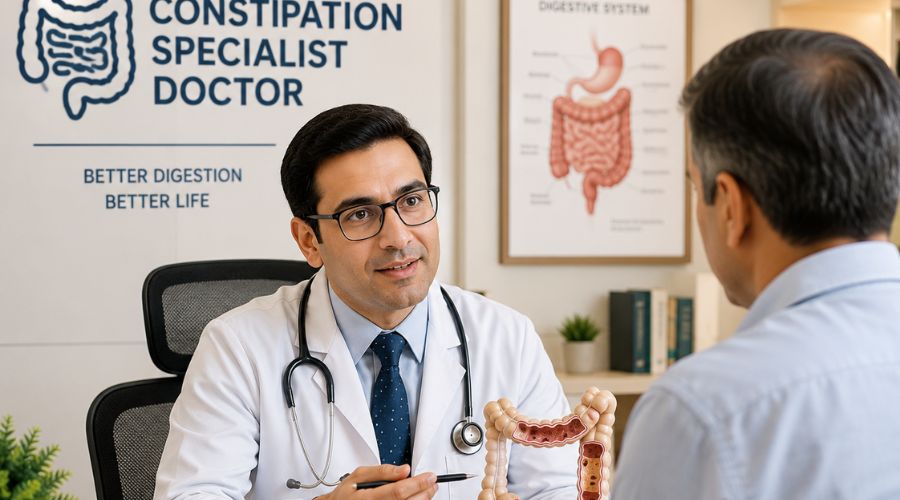
Professional medical care plays an important role in diagnosing digestive disorders.
Dr. Mohit Gupta and the team at Primary Care of Southern Texas provide comprehensive evaluations for digestive health concerns.
These evaluations may include:
- Physical examinations
- Medical history review
- Lab testing
- Medication review
- Personalized treatment planning
Diagnosis for Bloating and Constipation
Medical History and Physical Examination
Doctors begin by discussing symptoms, diet, medications and bowel habits.
This helps determine possible causes of bloating and constipation and guides further testing.
Laboratory Testing
Blood tests and stool testing may help identify infections, inflammation, thyroid disorders or nutritional deficiencies.
Imaging and Digestive Evaluations
Some patients may require imaging studies or specialized digestive evaluations to rule out underlying gastrointestinal conditions.
Referral to a Gastro Doctor for Constipation
If symptoms are severe or chronic, patients may be referred to a gastro doctor for constipation for advanced digestive evaluation.
A gastro doctor for constipation can help diagnose conditions such as IBS, bowel obstruction or chronic gastrointestinal disorders.
Treatment for Bloating and Constipation
Finding the right treatment for bloating and constipation depends on the underlying cause.
Dietary and Lifestyle Changes
One of the best forms of treatment for bloating and constipation involves healthy lifestyle changes.
Doctors often recommend:
- Increasing fiber intake
- Drinking more water
- Exercising regularly
- Reducing processed foods
- Eating smaller meals
These habits support healthy digestion and improve bowel regularity.
Bloating and Constipation Medicine
Some patients benefit from bloating and constipation medicine to relieve symptoms.
Common options may include:
- Stool softeners
- Fiber supplements
- Gas relief medications
- Probiotics
- Laxatives
Doctors should guide the use of bloating and constipation medicine to avoid dependence or side effects.
Medical Treatment for Constipation
Persistent digestive symptoms may require professional medical treatment for constipation.
Prescription medications, specialized therapies and dietary counseling may help improve bowel function.
The team at Primary Care of Southern Texas provides personalized medical treatment for constipation based on each patient’s needs.
Personalized Adult Digestive Care Plans
Every patient is different.
Professional adult digestive care focuses on identifying triggers, improving digestive habits and preventing recurring symptoms.
At Primary Care of Southern Texas, personalized treatment plans help adults manage chronic digestive discomfort effectively.
Natural Ways to Get Relief From Bloating and Constipation

Many patients seek natural methods for relief from bloating and constipation.
Fiber-Rich Foods
Fiber supports healthy bowel movements and improves digestion.
Foods rich in fiber include:
- Fruits
- Vegetables
- Whole grains
- Beans
- Oats
Increasing fiber gradually can reduce digestive discomfort.
Staying Hydrated
Water helps soften stool and supports healthy digestion.
Proper hydration is essential for relief from bloating and constipation.
Exercise and Movement
Physical activity stimulates the intestines and improves digestive function.
Walking after meals may reduce bloating and support bowel movements.
Limiting Trigger Foods
Certain foods can worsen Bloating and Constipation, including:
- Fried foods
- Carbonated drinks
- Dairy products
- Artificial sweeteners
- Processed snacks
Tracking food triggers may improve symptoms.
Stress Management Techniques
Stress reduction supports healthy digestion.
Relaxation techniques such as yoga, meditation and deep breathing may help reduce digestive discomfort.
Tips for Long-Term Digestive Wellness Care
Maintaining healthy digestion requires ongoing attention and preventive habits.
Healthy Eating Habits
Balanced nutrition supports long-term digestive wellness care.
Patients should prioritize fiber-rich foods, hydration and portion control.
Maintaining Regular Bowel Habits
Ignoring the urge to use the restroom may worsen constipation.
Healthy bathroom routines support digestive regularity.
Routine Health Checkups
Regular visits with a healthcare provider help monitor digestive health and prevent complications.
Preventive healthcare can identify issues early before they become severe.
Monitoring Chronic Digestive Issues
Persistent Bloating and Constipation should always be monitored carefully.
Ongoing symptoms may indicate chronic digestive disorders that require professional care.
How a Constipation Specialist Doctor Can Help
A qualified constipation specialist doctor can provide advanced evaluation and treatment for digestive concerns.
Identifying Underlying Causes
A constipation specialist doctor can identify medical conditions contributing to chronic digestive symptoms.
This may include food sensitivities, hormonal disorders or gastrointestinal diseases.
Creating Customized Treatment Plans
Every patient responds differently to treatment.
Professional adult digestive care focuses on personalized plans designed around individual symptoms and health history.
Preventing Recurring Digestive Problems
Long-term digestive management helps prevent future discomfort and improves quality of life.
Professional digestive wellness care encourages healthy lifestyle habits and early medical intervention.
Why Choose Primary Care of Southern Texas?
Primary Care of Southern Texas is dedicated to providing compassionate and comprehensive healthcare for patients in Cypress and surrounding communities.
Patients choose the clinic because of:
- Experienced and board-certified physicians
- Personalized healthcare plans
- Same-day appointments available
- Compassionate staff
- Advanced medical services
- Comprehensive healthcare support
Led by Dr. Mohit Gupta, the clinic focuses on preventive care, chronic disease management and patient-centered treatment.
The clinic proudly serves Cypress, Hockley, Waller, Tomball, Magnolia and Katy.
Contact Information
Primary Care of Southern Texas
Phone: (713) 673-8774
Email: backoffice@stxprimarycare.com
Hours:
- Monday – Thursday: 07:30 AM to 05:00 PM
- Friday: 07:30 AM to 02:00 PM
Frequently Asked Questions About Bloating and Constipation
What foods commonly cause bloating and constipation?
Processed foods, fried meals, dairy products and low-fiber diets are common triggers for Bloating and Constipation.
Can stress lead to digestive problems?
Yes. Stress can slow digestion and worsen digestive issues bloating constipation symptoms.
When should constipation become a concern?
You should seek medical attention if constipation lasts more than a few weeks or is associated with pain, bleeding or weight loss.
What is the best treatment for bloating and constipation?
The best treatment for bloating and constipation depends on the underlying cause. Lifestyle changes, hydration, medication and professional medical care may help.
Should I see a gastro doctor for constipation?
If symptoms are severe or persistent, seeing a gastro doctor for constipation may help identify underlying digestive conditions.
Conclusion
Bloating and Constipation are common digestive concerns that can affect comfort, energy and overall quality of life. While occasional symptoms may improve with dietary and lifestyle changes, persistent digestive discomfort should never be ignored.
Understanding the causes of bloating and constipation, recognizing warning signs and seeking timely medical care are essential for long-term health.
At Primary Care of Southern Texas, patients receive compassionate and personalized healthcare focused on prevention, diagnosis and treatment. Whether you need routine evaluations, medical treatment for constipation or ongoing digestive wellness care, the clinic is committed to helping you feel your best.
If you are experiencing ongoing Bloating and Constipation, schedule an appointment today and take the first step toward better digestive health.