

Weight Loss Treatment can provide professional guidance when healthy eating, regular physical activity, and other lifestyle changes have not produced the results you want. Depending on your health and individual needs, treatment may include nutrition and activity guidance, behavior changes, medical evaluation, prescription weight loss medication, or other evidence-based approaches.
Knowing when to seek professional help can make weight management more structured and personalized. If you have struggled to lose weight, regained weight after previous attempts, or have health conditions affected by excess weight. This guide explains when professional support may be helpful, available weight loss treatment options, and what to expect when seeking care in Cypress, Texas.
What Is Weight Loss Treatment?
Weight Loss Treatment refers to medically guided approaches that help people manage their weight and improve related health concerns. Treatment is different for everyone because weight can be influenced by eating habits, physical activity, sleep, medications, medical conditions, genetics, stress, and other factors.
A healthcare provider may review your health history, current weight, lifestyle, medications, and goals before recommending appropriate options. These may include nutrition guidance, physical activity, behavioral strategies, or medical treatments when needed. A structured approach can also help you avoid relying on unproven fat burning supplements, extreme diets, or other methods that may not be suitable for your health.
When Should You Consider Professional Weight Loss Help?
Professional weight management may be worth considering when repeated attempts to lose weight through lifestyle changes have not produced sustainable results. It may also be helpful if excess weight is affecting your health or increasing your risk of certain medical conditions.
You may want to talk with a healthcare provider if:
- You have repeatedly lost and regained weight.
- You are unsure how to create a sustainable weight loss plan.
- You have difficulty changing eating or activity habits.
- Excess weight is affecting your daily activities.
- You are thinking about weight loss injections or other medical options.
- You want professional guidance instead of trying an extreme diet.
Professional support does not necessarily mean medication. For many people, the first step is understanding their individual health needs and building realistic lifestyle changes that can be maintained over time.
Signs You May Need Medical Weight Loss Support
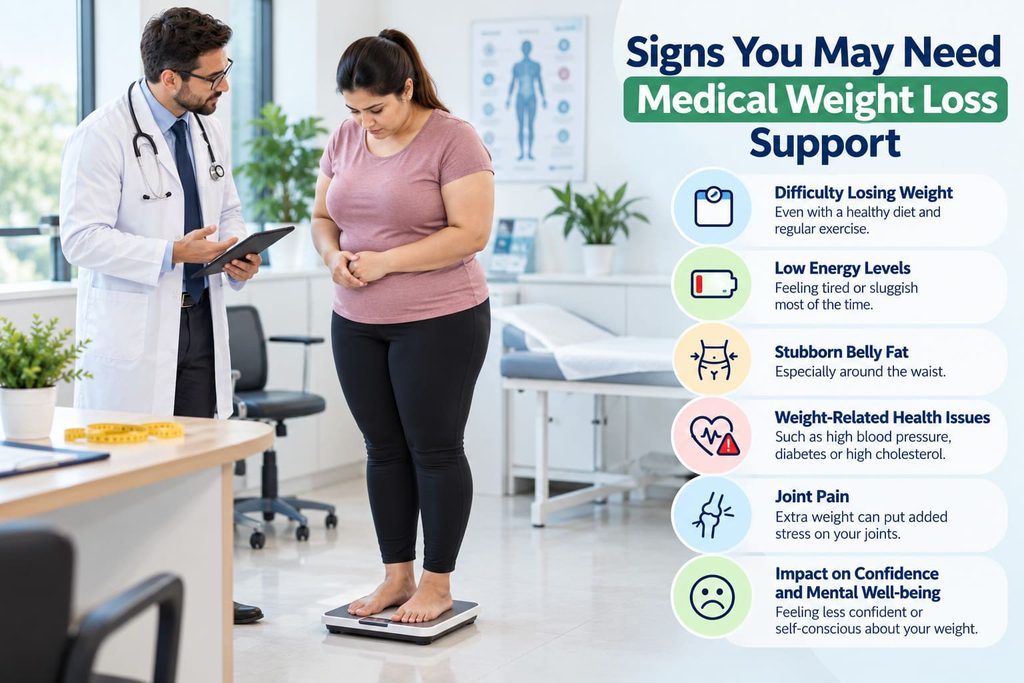
Some people may benefit from medical guidance when weight management becomes difficult despite consistent lifestyle efforts. Certain health conditions and medications can also make weight loss more challenging.
Signs that professional support may be useful include:
- Difficulty losing weight despite regular lifestyle changes
- Frequent weight regain
- Significant changes in weight without an obvious reason
- Increased blood pressure or blood sugar concerns
- Sleep problems associated with excess weight
- Joint discomfort that makes physical activity difficult
- Difficulty controlling hunger or eating patterns
- Concerns about obesity-related health risks
A healthcare provider can help determine whether there are underlying factors affecting your weight and whether medical weight management may be appropriate.
Common Causes of Weight Gain and Difficulty Losing Weight
Weight gain does not always result from simply eating too much or exercising too little. Multiple factors can influence body weight and make long-term weight management more difficult.
- Eating Patterns
Frequent intake of highly processed foods, sugary drinks, large portions, and high-calorie meals can contribute to excess calorie intake. A balanced diet for weight loss generally focuses on nutritious foods, appropriate portions, and sustainable eating habits rather than extreme restriction.
- Physical Activity
A sedentary lifestyle can reduce daily energy expenditure. Finding physical activities that fit your abilities and preferences can make it easier to maintain regular movement.
- Sleep and Stress
Poor sleep and ongoing stress can affect appetite, food choices, energy levels, and daily routines. Addressing sleep and stress can therefore be an important part of a comprehensive weight loss plan.
- Medications and Medical Conditions
Certain medications and medical conditions can affect body weight. Hormonal conditions, metabolic concerns, and other health issues may sometimes contribute to unexplained or difficult-to-manage weight gain.
Weight Loss Treatment Options
There is no single best weight loss treatment for everyone. Treatment depends on your health, goals, current weight, medical history, and response to lifestyle changes.
- Nutrition and Meal Planning
Nutrition guidance can help you develop sustainable eating habits. A meal plan for weight loss may include vegetables, fruits, whole grains, lean proteins, healthy fats, and appropriate portions. Some people may benefit from a high protein diet for weight loss, as protein can help support muscle maintenance and increase feelings of fullness. Examples of high protein foods for weight loss include eggs, fish, poultry, beans, lentils, and Greek yogurt.
A Mediterranean diet for weight loss may also be considered because it emphasizes vegetables, fruits, whole grains, legumes, nuts, healthy fats, and other minimally processed foods. The best approach depends on your individual health needs, preferences, and weight management goals.
- Healthy Snacks and Portion Control
Choosing nutritious snacks can help support a consistent eating routine. Examples of low calorie snacks or healthy snacks for weight loss may include fresh fruit, vegetables, plain yogurt, or appropriately portioned nuts.
The goal is not simply to eat as little as possible. A sustainable eating pattern should provide adequate nutrition while supporting your overall health and weight goals.
- Physical Activity
Regular physical activity can support weight management and improve cardiovascular and metabolic health. The right activity depends on your fitness level, health conditions, age, and physical abilities.
There is no single best exercise to lose belly fat. Overall fat loss occurs through a combination of appropriate nutrition, physical activity, and sustainable lifestyle habits rather than exercises that target fat loss from one specific area.
- Behavioral and Lifestyle Support
Successful weight loss programs often include behavioral strategies that help people build habits they can maintain. These may include setting realistic goals, monitoring eating patterns, improving sleep, managing stress, and developing strategies for dealing with setbacks.
- Prescription Weight Loss Medication
For some people, a healthcare provider may consider weight loss medication as part of a broader treatment plan. Medication is generally considered alongside lifestyle changes rather than as a replacement for healthy eating and physical activity.
Some prescription treatments can help reduce appetite or affect how the body regulates hunger and fullness. Your healthcare provider can determine whether a particular medication is appropriate based on your health history, current medications, and individual risks.
About Primary Care of Southern Texas
Primary Care of Southern Texas provides personalized primary care services for patients in Cypress, TX, and surrounding communities. Our team takes a comprehensive approach to health and considers individual medical needs when discussing weight management.
If you are considering Weight Loss Treatment, a healthcare provider can help you understand your options and determine what type of support may be appropriate for your situation.
Lifestyle Changes That Support Healthy Weight Loss
Lifestyle changes are an important part of most long-term weight loss treatment plans. Small, consistent changes are often easier to maintain than extreme diets or short-term approaches.
Helpful strategies may include:
- Choosing nutrient-dense foods and appropriate portions
- Including adequate protein and fiber in meals
- Limiting highly processed foods and added sugars
- Drinking enough water
- Eating regular, balanced meals
- Getting consistent physical activity
- Tracking progress when helpful
- Setting realistic and measurable goals
Some people explore fasting for weight loss or intermittent fasting to lose weight, but these approaches may not suit everyone. Metabolism booster products and fat burning supplements are also widely marketed but may carry risks.
When Are Weight Loss Medications Considered?
Weight loss medication may be considered for certain adults when lifestyle changes alone have not been sufficient and weight-related health risks are present. Eligibility depends on factors such as BMI, health conditions, previous treatment efforts, and the specific medication being considered. There is no universally best weight loss medication, as different options can have different benefits, side effects, contraindications, and costs.
Some people may also consider weight loss injections as part of medical weight management. These prescription treatments may be appropriate for certain patients and should be used under the guidance of a qualified healthcare professional. If you are considering medication, your provider can explain the potential benefits, side effects, drug interactions, and how it may fit into your overall weight loss treatment plan.
How Long Does Weight Loss Treatment Take?
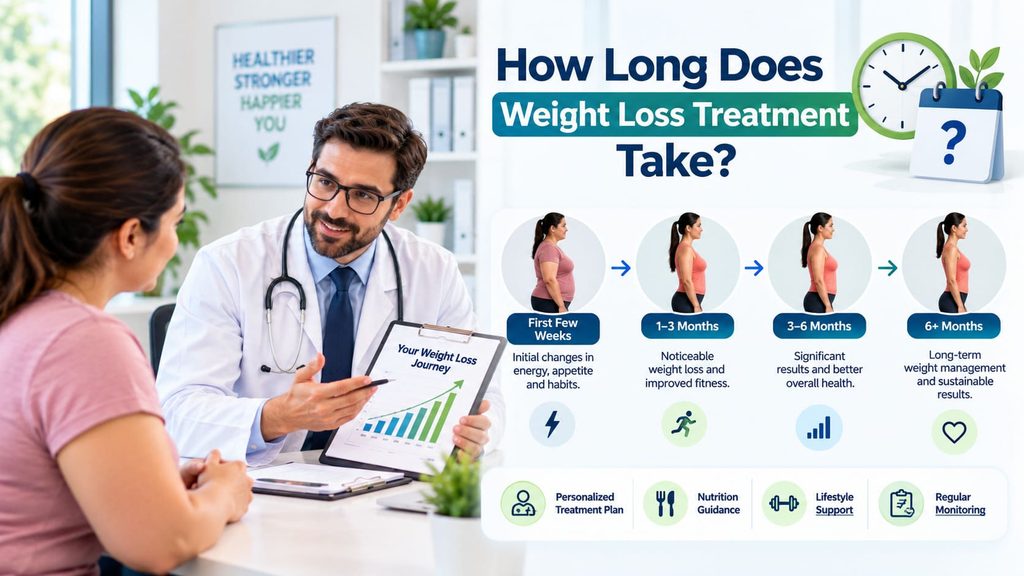
The timeline for Weight Loss Treatment varies from person to person. Weight changes can depend on factors such as starting weight, eating patterns, physical activity, sleep, medical conditions, medications, and the treatment approach. Healthy weight management generally focuses on gradual, sustainable progress rather than rapid weight loss, with realistic goals and regular progress monitoring.
If you are researching weight loss treatment cost, expenses can vary depending on the type of care, consultations, laboratory testing, medications, insurance coverage, and other services involved. Your healthcare provider can discuss available treatment options and expected costs, while your insurance plan can help clarify your coverage.
Why Choose Primary Care of Southern Texas for Weight Loss Treatment?
At Primary Care of Southern Texas, we understand that weight management is different for every patient. Our approach focuses on understanding your health history, lifestyle, goals, and medical needs before discussing appropriate treatment options.
Our weight management care may include:
- Personalized evaluation: We review your health history, medications, lifestyle, eating habits, and weight-related concerns to better understand the factors that may be affecting your weight. This helps your provider develop recommendations based on your individual health needs and goals.
- Lifestyle guidance: We can provide practical guidance on nutrition, physical activity, sleep, and healthy behavior changes. The goal is to help you build realistic habits that can support gradual and sustainable weight management.
- Medical assessment: Certain medical conditions, medications, sleep problems, or other health factors can make weight management more difficult. Your provider can consider these factors and determine whether additional evaluation or testing may be appropriate.
- Treatment planning: When appropriate, your provider can discuss medical options, including prescription weight loss medication, as part of a comprehensive treatment plan. Recommendations are based on your health, treatment goals, and individual circumstances.
- Ongoing support: Weight management is an ongoing process. Regular follow-up can help monitor your progress, discuss challenges, review your response to treatment, and make adjustments to your plan when needed.
The goal is to provide patient-centered weight loss treatment that supports healthier habits and long-term weight management, rather than relying on quick or unsustainable solutions.
Get Professional Weight Loss Treatment in Cypress, TX
If you have been struggling with weight loss or are unsure which approach is appropriate for you, professional guidance can help you understand your options. A healthcare provider can evaluate your overall health, discuss your goals, and develop a personalized approach to weight loss treatment.
Primary Care of Southern Texas provides primary care and weight management support in Cypress, TX, and surrounding communities. Contact our office to schedule an appointment and discuss your weight management concerns.
Contact Primary Care of Southern Texas to schedule an appointment:
Primary Care of Southern Texas
Cypress Medical Plaza, 27160 US-290 Suite #207
Cypress, TX 77433
Phone: (713) 673-8774
Email: backoffice@stxprimarycare.com
Conclusion
Weight Loss Treatment can provide personalized support when lifestyle changes alone are not producing sustainable results or when excess weight is affecting your health. Treatment may include nutrition guidance, physical activity, behavioral strategies, medical evaluation, and prescription medications when appropriate.
There is no single solution that works for everyone. If you are struggling with weight management, experiencing weight-related health concerns, or considering medications, injections, or other treatment options, talk with a healthcare provider to determine an approach that fits your individual needs.
FAQs – Weight Loss Treatment: When Should You Consider Professional Help
Q1. When should I consider professional weight loss treatment?
Ans. You may consider professional weight loss treatment if repeated lifestyle changes have not produced sustainable results, you are frequently regaining weight, or excess weight is affecting your health or daily activities. A healthcare provider can evaluate your individual situation and discuss appropriate options.
Q2. What does weight loss treatment include?
Ans. Weight loss treatment may include nutrition guidance, physical activity recommendations, behavioral support, lifestyle changes, medical evaluation, and prescription medication when appropriate. The treatment plan depends on your health, goals, and individual needs.
Q3. How do I know which weight loss treatment is right for me?
Ans. The appropriate treatment depends on factors such as your medical history, current health, medications, lifestyle, weight-related conditions, and previous weight loss efforts. A healthcare provider can evaluate these factors and help develop an individualized weight loss plan.
Q4. Can medical conditions make it difficult to lose weight?
Ans. Yes. Certain medical conditions, medications, hormonal factors, sleep problems, and other health issues can affect appetite, metabolism, activity levels, or body weight. A medical evaluation can help identify factors that may be affecting your weight management.
Q5. How can a doctor help with weight loss treatment in Cypress, Texas?
Ans. A doctor can evaluate your overall health, discuss your weight management goals, identify possible factors affecting your weight, and recommend appropriate lifestyle or medical treatment. Ongoing follow-up can also help monitor your progress and adjust your weight loss treatment plan when needed.